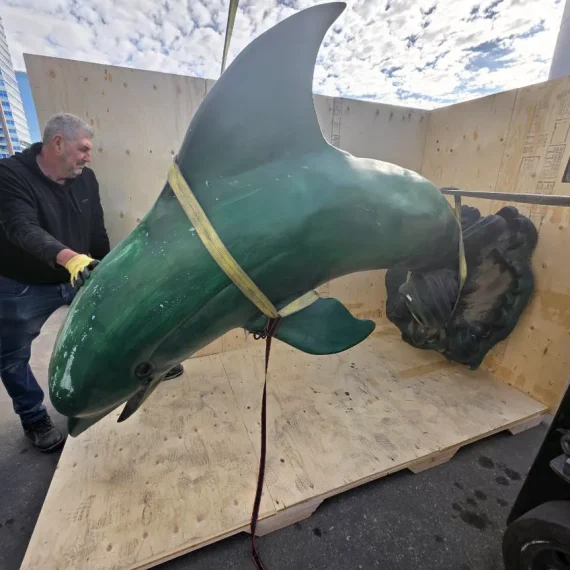
Custom-made boxes for shipping and transportation are specifically designed to meet the unique requirements of the items being shipped, offering optimal protection, secure handling, and efficient transit. Here are the common specifications and features of custom-made boxes:
1. Material Type and Strength
- Corrugated Cardboard: Most custom boxes are made from corrugated cardboard, which is available in various grades and strengths. The strength is determined by the flute size and the number of layers, with options like single-wall, double-wall, or triple-wall construction for added durability.
- Wood: For heavier or more valuable items, custom wood boxes or crates are used. These boxes are built to handle impact and provide structural support for large or irregularly shaped objects.
- Plastic or Composite Materials: For specialized applications, such as moisture-sensitive items or long-term storage, boxes made from plastic or composite materials may be used.
2. Size and Dimensions
- Custom Sizing: Boxes are built to the exact dimensions of the item being shipped to minimize movement and reduce the need for excess packing material. Precise sizing helps lower shipping costs and provides better protection.
- Oversized or Specialty Shapes: Boxes can be designed in non-standard shapes to accommodate items that are not rectangular, such as art pieces, machinery components, or fragile sculptures.
3. Padding and Internal Protection
- Foam Inserts: Custom foam inserts can be designed to fit the item snugly and absorb shocks and vibrations during transit. Foam types include polyurethane, polyethylene, and anti-static foam for electronic components.
- Dividers and Partitions: For shipping multiple items in one box, dividers or partitions can be used to separate and secure each piece, preventing contact and potential damage.
- Bubble Wrap, Packing Peanuts, or Air Cushions: Additional protective materials can be included to provide cushioning and prevent movement within the box.
4. Closure and Sealing Options
- Reinforced Sealing: Custom boxes may feature reinforced seams and closures to prevent the box from opening during transit. Heavy-duty sealing tape, glue, or staples can be used for added security.
- Tamper-Evident Seals: For high-value or sensitive items, tamper-evident seals provide an extra layer of protection and indicate if the package has been opened.
5. Weatherproofing and Moisture Protection
- Water-Resistant Coatings: Boxes can be treated with water-resistant coatings to protect the contents from moisture, which is particularly useful for international or outdoor shipments.
- Vapor Barriers and Liners: For sensitive equipment or perishable goods, vapor barriers and liners can be used to protect against humidity and condensation.
6. Stacking and Weight-Bearing Design
- Reinforced Corners and Edges: Custom boxes can be designed with reinforced corners and edges to handle stacking pressure and prevent crushing. This is especially important for heavy or large shipments.
- Weight Distribution: The internal structure of the box can be engineered to distribute the weight of the item evenly, preventing damage to the box or the contents.
7. Labeling and Markings
- Custom Printing: Boxes can be printed with branding, handling instructions (e.g., “Fragile,” “This Side Up”), or other important information. This helps ensure proper handling and adds a professional touch.
- Pre-Printed Labels: Custom boxes can include pre-printed labels or designated areas for shipping labels, barcodes, or identification tags.
8. Specialized Features
- Handles and Straps: Boxes can be designed with built-in handles or straps to make lifting and carrying easier. This is useful for heavy or awkwardly shaped items.
- Access Panels or Removable Lids: For items that need to be accessed frequently, boxes can be built with access panels, removable lids, or hinged doors.
- Custom Compartments: For complex shipments, boxes can be built with multiple compartments to keep items organized and secure.
9. Compliance with Shipping Regulations
- ISPM-15 Compliance for Wood Boxes: For international shipping, wooden boxes or crates must comply with the ISPM-15 standard, which requires the wood to be treated to prevent the spread of pests.
- Hazardous Material Packaging: Custom boxes for hazardous materials must meet strict guidelines to ensure safe and compliant transportation. This includes proper labeling, cushioning, and containment features.
10. Reusable and Eco-Friendly Options
- Reusable Designs: For businesses looking to reduce waste, custom boxes can be designed for reuse, with durable construction and features that make them easy to open and reseal.
- Eco-Friendly Materials: Custom boxes can be made from recycled or biodegradable materials to minimize environmental impact.